


.png)


Curious about how to prepare kratom? Whether you’re new to kratom or exploring safer, more consistent ways to use it, this guide covers the main preparation methods, tips for beginners, and strategies to minimise risks. For background, see what kratom is and its origin.
From teas to capsules, extracts, and tinctures, you’ll learn practical ways people use kratom, alongside harm-reduction advice and important safety notes.
What Are the Main Reasons People Use Kratom?
Kratom (Mitragyna speciosa) is a tropical tree native to parts of Southeast Asia, where its leaves have been traditionally used for physical labour and daily stamina.
The plant contains active alkaloids such as mitragynine and 7-hydroxymitragynine, which the body converts and processes in ways that can feel stimulating at some amounts and more opioid-like at higher ones.13
People use kratom for different reasons, but the most commonly reported include:
- Energy and focus
- Relaxation
- Motivation or mood support
- Cultural or traditional use
Many users describe smaller amounts as more energising or mood-elevating, while heavier use tends to feel more physically relaxing, slowing, or sedative over time.4
How Is Kratom Traditionally Taken in Native Countries?
In regions like Thailand, Malaysia, and Indonesia, kratom has a long cultural history tied to work, endurance, and social contexts.5
Many labourers historically chewed the fresh leaf slowly to help manage physical fatigue during long workdays. Absorption happens gradually through the mouth. Kratom tea is also common and is still widely used. This method tends to feel gentler and easier on digestion than chewing raw plant material.
Smoking is not a traditional preparation. High heat makes smoking ineffective and can degrade important alkaloids, adding unnecessary respiratory risks.6
Four Ways to Use Kratom
These are four of the most common preparation styles people discuss in modern usage. Each one feels different in practice and offers different trade-offs in terms of comfort, convenience, and intensity.
Interested in dosage ranges? Try our quick calculator. For practical guidance, see how to take kratom safely.
1. Kratom Extract
Extracts are concentrated forms of kratom made from the leaf.7 Because they contain higher alkaloid levels in smaller amounts, people often describe them as noticeably stronger per serving compared to plain leaf.
This also means it’s much easier to overshoot your comfort zone if you’re not careful, as potency isn’t consistent across all products.
How to Prepare Kratom Extract
- Start with lab-tested kratom powder for consistency and purity.
- Mix the powder with warm water and a source of mild acidity (e.g. fresh lemon juice).
- Let the mixture sit and stir occasionally so the plant material fully hydrates.
- Strain or filter slowly through fine mesh or cloth.
- Reduce carefully over gentle heat until you reach a thicker extract.
- Store it sealed, in a dark, cool cupboard or fridge.
This method feels more intuitive and approachable for most people. However, it’s still essential to exercise caution. Avoid strong solvent extractions unless you have real experience and proper equipment. Highly concentrated products can become unpredictable, and DIY solvent handling adds contamination and fire hazards.8
2. Kratom Capsules
Capsules are one of the most common modern formats. They’re discreet, easy to travel with, and they completely bypass the strong, bitter taste of the raw leaf.
Many people say capsules feel like the simplest way to make kratom “fit” into daily routines without the work of tea or preparing extracts.
The trade-off is that capsules often take longer to take effect because the powder needs to break down inside the stomach before absorption can begin.
How to Prepare Kratom Capsules
- Choose a trusted strain or powder source you’re familiar with.
- Load the powder into empty capsules using a small capsule-filling tray or manual loader.
- Store the finished capsules sealed, away from heat and humidity, in a clean airtight container.
Capsules can delay onset compared to tea or tinctures. The slower come-up sometimes leads people to assume “nothing is happening yet” and add more, which increases the chance of overshooting their comfort level. Allowing capsules enough time to take effect before making any further decisions is usually safer and more predictable.
3. Kratom Tincture
Tinctures are liquid preparations made by extracting kratom’s alkaloids into alcohol or another solvent. They’re usually more concentrated than tea or capsules, and some people use them in very small amounts under the tongue for faster absorption.
How to Prepare Kratom Tincture
- Combine crushed leaf or powder with high-proof, food-grade alcohol inside a clean glass jar.
- Seal and store in a cool, dark spot for several weeks.
- Shake occasionally to keep material suspended.
- After extraction, strain through a fine mesh or coffee filter.
- Transfer the liquid to a dark glass dropper bottle to protect from light.
Tinctures require caution. Alcohol is flammable, and potency can vary widely. Making tinctures safely at home requires patience, ventilation, and experience. Many people prefer commercially prepared, lab-tested tinctures instead.
4. Kratom Tea
Tea is one of the most common ways people prepare kratom, both traditionally and today. Many find that tea is easier on the stomach than raw powder, and the slower sipping format helps spread absorption more gradually.1
How to Prepare Kratom Tea
- Heat water gently until it’s just under a boil.
- Stir in kratom powder or crushed leaf.
- Add lemon juice to help with extraction and taste.
- Simmer for about 15–20 minutes, stirring occasionally.
- Strain through a fine mesh or paper filter.
- Optionally blend in honey, ginger, or mint.
Very high heat may reduce alkaloid content, so keeping temperature moderate is safer.3
Which Kratom Products Are Best to Take?
| Method | Onset | Taste | Serving Control | Portability | Key Cautions |
|---|---|---|---|---|---|
| Tea | Moderate | Bitter | Flexible | Moderate | Varies by batch; short shelf life |
| Powder | Variable | Bitter | High | Moderate | Can be messy; easy to overuse |
| Capsules | Slow | Neutral | Fixed | High | Delayed onset; stacking risk |
| Extract | Fast | Bitter | Hard to gauge | Moderate | Highly potent; variability risk |
| Tincture | Fast | Bitter | Measurable | High | Flammable solvents; child safety |
| Drinks | Fast | Flavoured | Fixed | High | May contain added sugars; variable potency |
Strain differences can also shape perceived effects; for an overview, see the different types of kratom strains.
What Does “Lab-Tested” Kratom Mean?
“Lab-tested” kratom refers to products accompanied by a Certificate of Analysis (COA). This document confirms that a sample from that specific batch has been analysed by a laboratory.
- Mitragynine and 7-hydroxymitragynine content
- Heavy metal and microbial contamination screening, such as Salmonella910
- Residual solvent checks (for extracts)
- Batch number and lab accreditation
What Should Beginners Know Before Preparing and Using Kratom?
Many people new to kratom prefer starting with tea or capsules because they feel easier to gauge. Individual responses vary significantly across people and products.12
Beginner Checklist
- Start with the smallest practical amount and avoid rapid increases.
- Do not mix kratom with alcohol, opioids, benzodiazepines, or other sedatives.6
- Hydrate throughout use and give your body time between servings.
- Avoid daily use early on to help reduce tolerance.
- Stop immediately if you experience unwanted effects.
- Keep a simple log of form, amount, timing, and effects.
- Stick to lab-tested products whenever possible.
For common symptoms and warnings, read about kratom’s potential risks and side effects.
Navigating Kratom Preparation Safely
Kratom can be prepared in several ways—tea, tinctures, extracts, or capsules. Each changes onset, comfort, and control.
The safest approach is to learn gradually, use lab-tested products, avoid mixing with other substances, and pay close attention to your body’s response. You can also learn about kratom dependence risks as part of making informed choices.
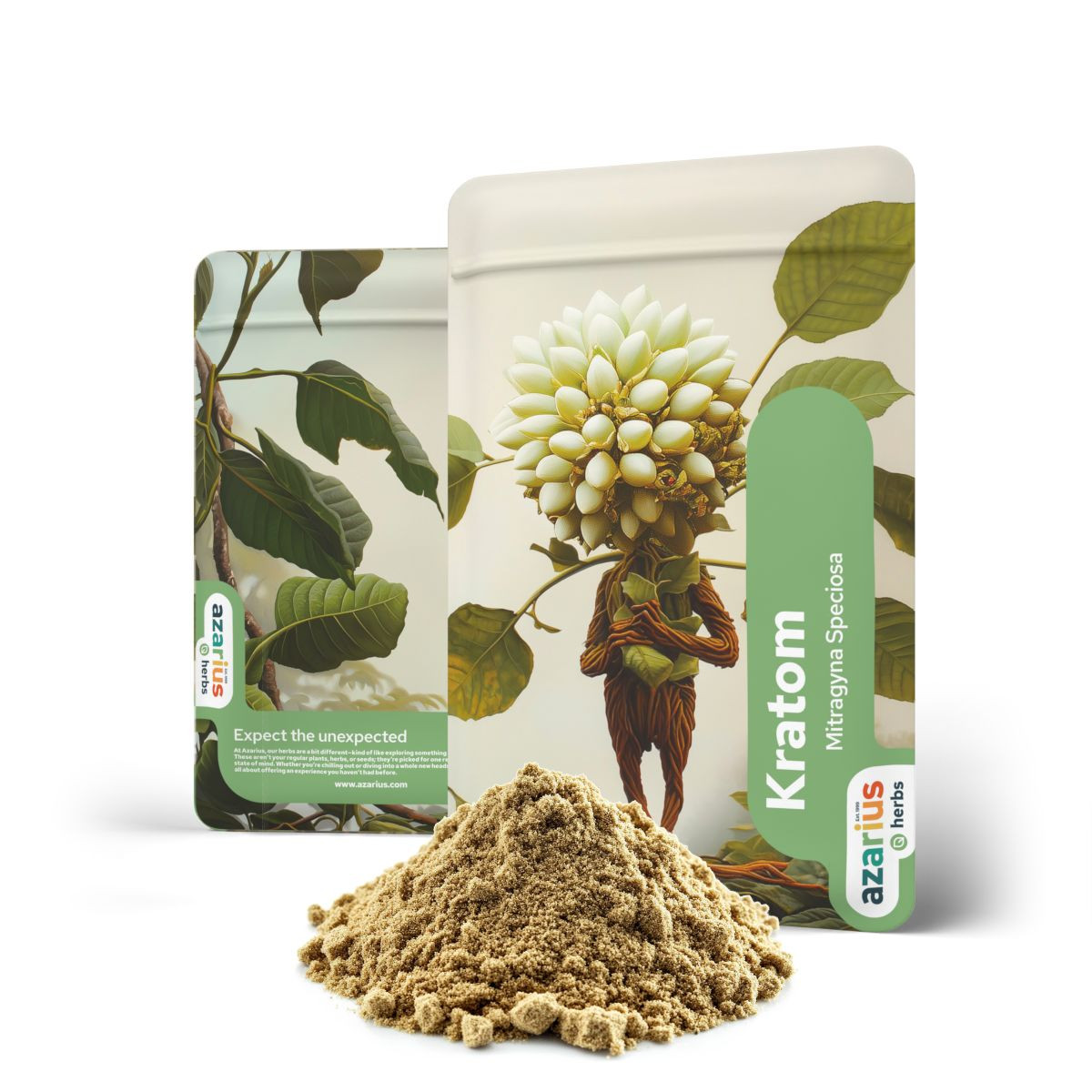
Kratom Extract
Maeng Da Powder (50g)References
- Kratom. NCCIH. Published April 2022. https://www.nccih.nih.gov/health/kratom⬆️ Back to text
- National Institute on Drug Abuse. Kratom. Published March 25, 2022. https://nida.nih.gov/research-topics/kratom⬆️ Back to text
- DEA. What is Kratom? 2020. https://www.dea.gov/sites/default/files/2020-06/Kratom-2020_0.pdf⬆️ Back to text
- Kratom (Mitragyna speciosa) drug profile. Europa.eu. Published 2024. https://www.euda.europa.eu/publications/drug-profiles/kratom_en⬆️ Back to text
- Geneva. Pre-Review Report: Kratom (Mitragyna Speciosa). WHO Expert Committee on Drug Dependence. 2021. WHO PDF⬆️ Back to text
- U.S. FDA. FDA and Kratom. Published 2019. https://www.fda.gov/news-events/public-health-focus/fda-and-kratom⬆️ Back to text
- Prevete E, Kuypers KPC, Theunissen EL, et al. Clinical Implications of Kratom (Mitragyna speciosa) Use. Current Addiction Reports. 2023;10(2):317–334. https://doi.org/10.1007/s40429-023-00478-3⬆️ Back to text
- Heywood J, Smallets S, Paustenbach D. Beneficial and adverse health effects of Kratom (Mitragyna speciosa): A critical review. Food Chem Toxicol. 2024;192:114913. https://doi.org/10.1016/j.fct.2024.114913⬆️ Back to text
- CDC. Multistate Outbreak of Salmonella Linked to Kratom Products. Published April 12, 2024. CDC report⬆️ Back to text
- Human Foods Program. Outbreak of Salmonella Infections Linked to Products Contain Kratom. U.S. Food and Drug Administration. Published 2024. https://www.fda.gov/food/hfp-constituent-updates/fda-investigates-multistate-outbreak-salmonella-infections-linked-products-reported-contain-kratom ⬆️ Back to text