


.png)


Is Hawaiian baby woodrose safe to use?
Key Takeaways
- The LSA and other ergot alkaloids found in Hawaiian Baby Woodrose seeds can vary considerably from batch to batch, meaning the strength and effects are unpredictable. We should treat it with caution, not simply as a mild LSD alternative.
- Side effects are potentially serious and can include nausea, vomiting, cardiovascular strain, anxiety, paranoia, and even psychosis. If symptoms are severe or persistent, we must seek medical advice.
- There is a risk of dangerous drug interactions, especially with antidepressants, stimulants, opioids, antipsychotics, and other psychedelics. Never mix substances and always speak to a healthcare professional about your medications.
- The effects of LSA can last for many hours, often with a challenging comedown including exhaustion and low mood. We should allow ourselves recovery time and avoid driving, using machinery, or making any significant decisions for at least 24 hours afterwards.
- The legal status of Hawaiian Baby Woodrose varies by country. While owning the plant itself may be permitted, preparations intended for consumption are often controlled. Always check local regulations before buying or using it to stay within the law.
- If we decide to take it, prioritise harm reduction: source seeds carefully, start with the smallest effective dose, avoid combining with other substances, prepare a calm environment with a trusted friend present, and keep track of your doses and reactions to stay safe.
Hawaiian Baby Woodrose can be used safely if we’re informed, careful, and mindful of the risks. The seeds contain LSA – a psychedelic substance that can cause nausea, cramps, and powerful changes in thoughts and emotions. Effects usually start between 30 and 120 minutes after taking, lasting up to 6–10 hours. People often use between one and three seeds, peeled to reduce stomach discomfort. Mixing with alcohol or stimulants increases the risks. Those with heart, blood pressure, or mental health concerns should not use it. Some reports mention occasional vasoconstriction and severe anxiety at higher doses. It is illegal in some places. For our own safety, we should always start with a low dose, have a calm and trusted environment, and give ourselves plenty of time to recover. The following guide explains how to prepare, use, and stay safe.
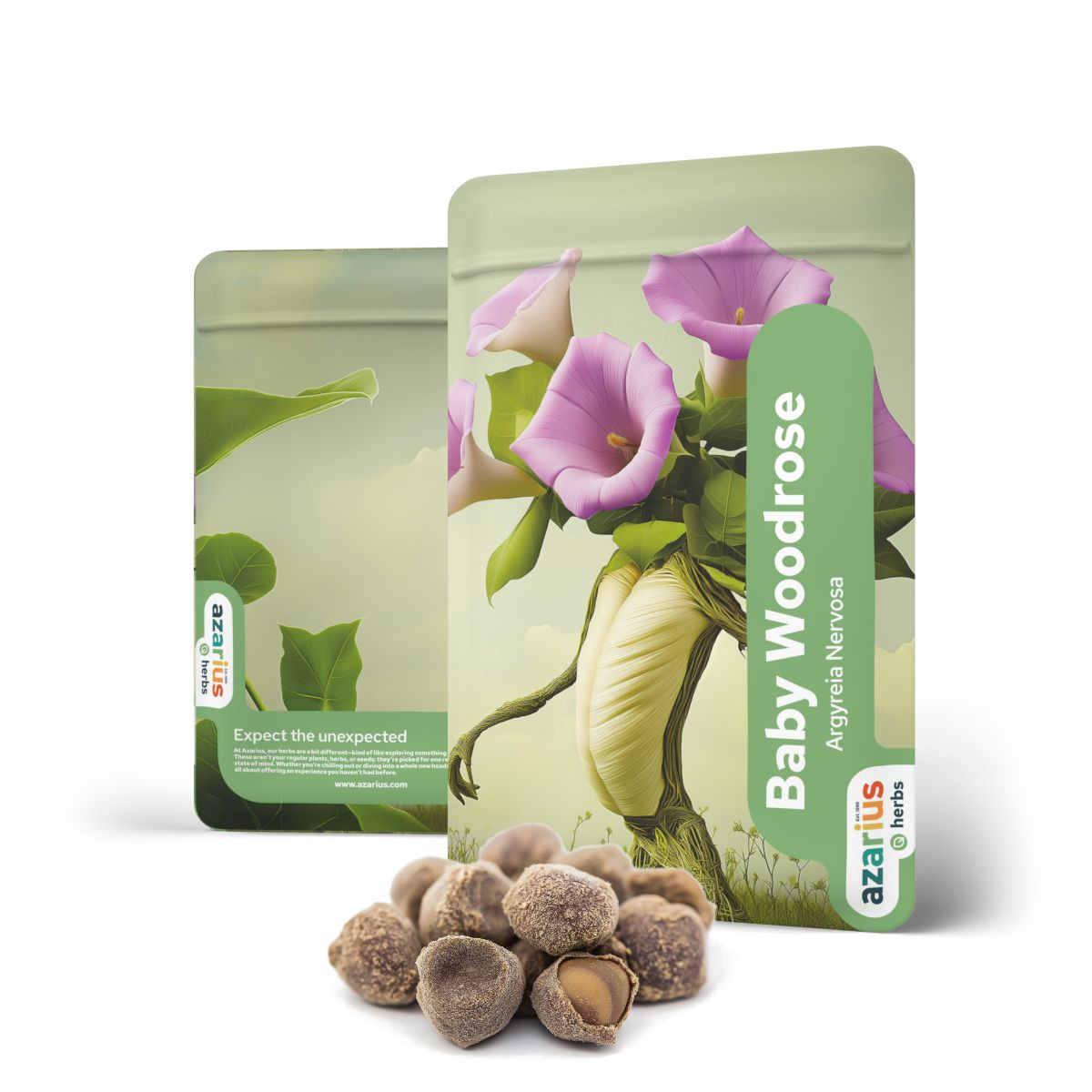
Baby Woodrose Seeds
Hawaiian seeds (10x)What is Hawaiian baby woodrose?
Hawaiian baby woodrose is a powerful climbing plant, well known for its hallucinogenic qualities thanks to the presence of ergot alkaloids – especially LSA (lysergic acid amide), which is chemically related to LSD. Native to India and southeast Asia, it has roots in ayurvedic traditions and ceremonial practices. The seeds are the main psychoactive part and are often used as a natural herbal high. Potency and toxicity can vary widely depending on the origin, cultivation, and processing methods.
Botanical profile
Argyreia nervosa, often referred to as Hawaiian baby woodrose, is a perennial vine belonging to the morning glory family. With large heart-shaped leaves and striking flowers, it’s now found thriving in warm regions such as Florida, California, and Hawaii. Its seeds are tough, brownish-grey, and enveloped in a fine, hairy coating.
The seeds are rich in alkaloids – primarily the ergoline group. Key compounds include LSA (ergine), lysergic acid, methylergometrine, methysergide, and several minor alkaloids. These bioactives are responsible for a range of effects such as altered states of consciousness, drowsiness, and sometimes nausea. Laboratory analysis has suggested that ergine can make up about 0.3% of a seed’s dry weight, although this figure shouldn’t be relied on for safe dosing.
There’s a lot of variability in the chemical composition. Factors like how old the seeds are, where they come from, and how they’ve been stored all change the alkaloid content. Even seeds from the same batch can have different effects.
Traditional uses
Within ayurvedic medicine, the root (rather than the seeds) was mainly used as a tonic to support the nervous system and brain, and appears in ancient remedies for rejuvenation and libido. These preparations were generally mild extracts or blended herbal formulas, intended for pain or inflammation, never for psychedelic experiences. They were usually combined with advice on diet and lifestyle.
Traditional knowledge was based on spiritual and holistic concepts, rather than scientific toxicology or clinical testing, and the effects were interpreted through these frameworks. These historical uses of the plant – low doses, specific parts – are quite different from the modern practice of chewing seeds or extracting them for their psychoactive properties, and completely removed from the intravenous use sometimes seen in toxicology cases.
Modern context
Today, Hawaiian baby woodrose is often promoted as a "natural hallucinogen" or even a "nootropic". Some enthusiasts draw comparisons to LSD, but its profile is noticeably different, with a greater likelihood for physical discomfort, blood vessel constriction, and less consistent visual effects.
It's not uncommon for young people to use these seeds as a cheap way to get high. Seeds and derived extracts circulate on the grey market, sometimes sold as "research chemicals" with vague or misleading labelling.
Overuse or abuse can cause toxic reactions, anxiety, severe vomiting, and even hospitalisation. There are genuine risks if mixed with serotonergic medications, raising the chances of serotonin syndrome. Combining them with vasoconstrictors or some blood pressure medicines can further tax the heart and circulation. It’s best to stop taking them at least two weeks before any operation to avoid complications with anaesthesia and blood pressure management.
While Hawaiian baby woodrose is of natural origin, it comes with genuine risks – especially if combined with other substances or taken in high doses.
What are the side effects of Hawaiian Baby Woodrose?
Hawaiian Baby Woodrose (HBWR) seeds contain lysergic acid amide (LSA), a naturally occurring hallucinogen related to LSD, and their unpredictable potency can pose serious risks to our health. Reports have noted potentially life-threatening outcomes, including toxicity and, in rare cases, fatalities. Since there is no medical justification for taking HBWR, instances of harmful reactions are regularly cited in medical literature. Misuse can quickly escalate into emergencies requiring urgent medical attention.
1. Physical symptoms
Consuming HBWR seeds often results in digestive upset, such as nausea, vomiting, and stomach cramps. Many of us may also experience muscle twitching, cold sweats or uncontrollable shaking. Dilated pupils and a dry mouth are common, and at higher doses, we might notice difficulty with coordination.
Larger amounts can bring on heart palpitations, unstable blood pressure, tightness in the chest, and in some cases, problems with the body's mineral balance. Some people report feeling extremely sedated or physically slowed, similar to the effects of sedatives.
Other side effects, like blurred vision, trouble urinating, and constipation, are also possible. These reactions often depend on the amount taken, but even a handful of seeds can cause distress—especially if we're sensitive to the compounds.
Symptoms can appear as soon as 30 minutes to an hour after taking the seeds, typically lasting for six to eight hours. For some of us, an unpleasant after-effect or "comedown" may linger well into the next day.
2. Psychological risks
LSA is known to trigger visual or auditory hallucinations, distorted sense of time, and feelings of euphoria. We also run the risk of anxiety, paranoia, panic, or agitation.
In severe cases, reactions can resemble those seen with LSD intoxication—confusion, intense hallucinations, or psychotic episodes that may require hospital care. There are reports of people needing inpatient treatment following just one use due to sudden, severe mental health crises.
Repeated or high-dose use may lead to mood swings, agitation, or depressive spells over time. If we have a history of mental health issues—diagnosed or otherwise—using HBWR seeds can dramatically worsen these conditions, sometimes after just a single encounter.
Dangerous behaviour due to poor judgement has been documented, including tragic accidents linked to impaired awareness.
3. Unpredictable potency
The strength and content of the active substances in HBWR seeds vary widely from one seed or batch to another. This makes it impossible to judge a safe dose, putting us at genuine risk of both toxic and ineffective experiences. The presence of other, less well-understood compounds may also increase the likelihood of negative side effects.
This inconsistent potency makes it difficult to properly assess risk and makes safe research practically impossible.
4. Drug interactions
Combining HBWR with other drugs—such as sedatives, morphine, cannabis, alcohol, or newer synthetic substances—can heighten negative effects like drowsiness, confusion, anxiety, or even toxicity. Using prescribed antidepressants or drugs that influence serotonin or adrenaline further increases our risk of dangerous interactions, including serious spikes in blood pressure or serotonin syndrome.
HBWR should always be discontinued at least two weeks before any surgical procedure to avoid unpredictable reactions with anaesthetics.
5. Long-term uncertainties
We have very little information about the long-term health risks of repeated HBWR use. Clinical studies are lacking, so we don't fully understand whether these seeds can damage our organs, nerves, or trigger ongoing inflammation over time. The long-lasting impact on our bodies and minds is still largely unknown.

What is Hawaiian baby woodrose?
Hawaiian baby woodrose seeds contain LSA, a natural compound with LSD-like effects and notable safety and legal considerations.The LSA experience
LSA is the key psychoactive compound in Hawaiian Baby Woodrose (HBWR) seeds and is responsible for most of the mental and physical effects. Many compare its influence to LSD—intense visual effects, shifts in mood, and feeling as though time has slowed, but accompanied by a heavier physical load. Individual experiences differ significantly due to variations in seed strength, the amount taken, and sensitivity; what might feel gentle for one of us could be overwhelming for another. Typically, the effects last between 6 and 12 hours. Some people come away with a sense of insight or calm, while for others, the journey can feel turbulent, draining, or unpredictable.
Onset
We usually notice the first signs of LSA’s effects between 30 and 90 minutes after swallowing. There might be a mild sense of wellbeing, slight alterations in how things look, or a sensation of hot or cold rushes. Heart rate, blood pressure, and body temperature may all fluctuate, which some of us find unsettling.
Nausea can set in before the mental effects really begin, often alongside restlessness or anxiety. How we prepare the seeds can make a difference—removing the seed coatings, using a cold-water extraction, or simply starting with a lower dose can help reduce stomach discomfort. Factors like what we’ve eaten recently, how our bodies break down substances, and any other medicines being taken can all play a role in shaping our experience—even with the same batch of seeds, responses can vary greatly.
Peak
During the peak, our perception of the world might flip—patterns may move, we might see imagery with eyes closed, and even sounds or touch can feel dramatically different. Some of us have felt less physical pain, and many describe a reflective state that feels more grounded than the sharper, more intense trips associated with LSD. Emotions can swing wildly but listening to music and keeping a calm, distraction‑free environment can help set the mood.
This phase can carry on for 4–8 hours with periods of heightened intensity. Taking higher doses increases risks—panic, confusion, dizziness, and clumsiness are possible. If we are new to psychedelics or more sensitive, it’s wise to have a trusted, sober person present who can watch for warning signs such as agitation, chest pain, or any danger to ourselves or others.
Aftermath
As we come down, it’s common to feel tired, have a headache, or experience digestive upset for up to a day afterwards. Drinking fluids, eating simple foods, and getting some rest all help.
Some of us may feel down or emotionally flat the next day, especially if we have a history of anxiety or depression. Lingering effects can make it unsafe to drive, study, or work straight away, so it’s important to plan for recovery time. How long side effects last can depend on dosage, state of mind, and whether any negative effects were experienced. If any of us have pre-existing medical conditions or take medication, we should avoid use without first talking to a doctor—LSA carries genuine risk, especially concerning heart and mental health.
Global legal status
The legal position of Hawaiian baby woodrose (Argyreia nervosa) varies widely across the globe. Different countries set their own regulations, sometimes distinguishing between the plant itself, its seeds, and their intended use. While some places allow cultivation for ornamental purposes, they may restrict preparations considered psychoactive. Our goal is to promote knowledge and minimise risk, so being aware of these regulations empowers us to make safer, more informed choices.
- United States: Hawaiian baby woodrose is not listed as a controlled substance at the federal level. However, seeds containing ergot alkaloids may fall under state analogues or laws concerning their intended use. The sale of whole seeds as botanicals is fairly common, but extracts, tablets, and "trip kits" carry greater legal risks. Local laws can differ significantly between cities and university campuses.
- European Union: There is no EU-wide ban, but individual countries regulate the plant under their own narcotics or consumer safety acts. The European Monitoring Centre for Drugs and Drug Addiction tracks Argyreia nervosa as a potential new psychoactive substance. France and Lithuania, for example, impose broad restrictions on psychoactive plants and seeds, while other countries allow their sale as ornamental products yet prohibit psychoactive extracts.
- United Kingdom: Under the Psychoactive Substances Act, it is illegal to supply products for psychoactive use. While seeds sold as gardening stock are sometimes overlooked, preparations designed to be mind-altering are generally prohibited.
- Germany: Argyreia nervosa is not named in the Narcotics Act, yet selling it for the purpose of intoxication can lead to prosecution. Pharmacy and food regulations may apply if products are intended for ingestion. Extracts face stricter legal scrutiny.
- Netherlands: The plant and seeds are not included in the Opium Act, but sales portrayed as for recreational use may be investigated under public health or product safety rules. Ornamental sales are typically permitted, but concentrated extracts are more strictly controlled.
- Australia and New Zealand: Substances containing ergoline alkaloids, like those in Argyreia nervosa, may be caught under analogue drug laws. Importation is tightly regulated, and psychoactive products are usually banned without explicit approval.
- India: As the plant’s native region, it features in cultural traditions, yet national and state drug rules oversee any commercial psychoactive use. Growing the plant is not the same as selling extracts intended for intoxication.
- Other regions: In some countries, Hawaiian baby woodrose occupies a grey area, regarded as a "legal high" until laws are updated. Policy changes can happen rapidly, especially following new research or public health alerts.
Important notes: The active compounds in Hawaiian baby woodrose overlap with those controlled by international conventions such as the United Nations drug treaties, which can prompt changes in national laws. While often called "Hawaiian", the plant originates in India – its cultural standing does not automatically mean it is legal. If in doubt, we should always check current legislation and seek legal advice. For clarity, it’s helpful to create a simple table outlining each country, its legal status, and any restrictions.
Mindset and Setting
When it comes to taking Hawaiian Baby Woodrose seeds, mindset and setting make all the difference to psychedelic safety. Both our state of mind and our environment can tip the balance between a manageable trip and an experience that could go wrong. With LSA, the main compound in HBWR seeds, you get a mix of mood shifts, drowsiness, and intense thought patterns. Taking the time to prepare helps us minimise risks and optimise our chances of a positive, insightful journey.
Key considerations:
- Internal: our mental health history, how we’re feeling on the day, our expectations, general physical health, and any prior use of psychedelics
- External: trusted company, a calm and familiar environment, privacy, a plan for medical support, and knowing what to do in an emergency
- If either mindset or setting is off, the chances of a difficult trip or negative reactions go up
- Creating a safe, supportive space is essential for harm reduction
- Always weigh up both the internal and external risks before trying HBWR
Internal Factors
Our own state is at the core of set and setting. With 4–8 chewed seeds, we might notice visual changes, feelings of euphoria, sleepiness, or the classic looped psychedelic thoughts. If we start out anxious or edgy, the experience has a way of amplifying those uncomfortable feelings. Sometimes, it can even push us into a spiral of anxiety or panic.
People with a background of anxiety, bipolar disorder, schizophrenia, psychosis, or major depression are at higher risk for negative reactions. There are cases where people have needed medication or even hospital treatment after a trip. Mixing LSA with medicines like SSRIs, MAOIs, antipsychotics, or stimulants, as well as anything that stresses the heart or liver, can make side effects worse and recovery slower.
If we’ve previously used LSD or other psychedelics, it may change how sensitive we are to LSA. For some, there’s a sense of familiarity and confidence; for others, thought loops or feelings of unreality can hit much sooner. To stay safe, it’s best to keep our expectations grounded: HBWR isn’t just a “milder LSD” – the physical effects can actually be stronger and less predictable.
It’s vital to check on our health status too. LSA can raise blood pressure and heart rate, so anyone with heart problems needs to be extra cautious. The liver processes these alkaloids, so if we have any liver issues, the side effects can last longer. Nausea and vomiting are common: even seasoned users sometimes end up unwell after a dose.
External Factors
The setting we choose will either cushion us or leave us exposed. We’re far better off in a quiet, cosy room we know well, with gentle lighting, soft music, and minimal outside distractions. It’s wise to have water, easy snacks, a blanket, a nearby toilet and a charged phone to hand. A responsible sober trip-sitter makes a huge difference, helping keep us relaxed and grounded with simple care—soft lights, mellow sounds, and gentle conversation.
It’s a bad idea to take HBWR in a hectic or unfamiliar space, around strangers, or anywhere public. Stressful settings crank up the fear and confusion, and can make managing physical symptoms much harder.
Let’s make sure we’ve got a backup plan. Always have local emergency numbers handy, and if possible, let a health professional know in advance. Having support for issues like unusual agitation, chest pain or confusion boosts our safety considerably.
While these seeds have been used for centuries in shamanic rituals and traditional medicine from South America to India, that’s not the same as saying they’re safe. In those indigenous settings, ceremonies are carefully supervised and built around harm reduction—something we should aim to replicate whenever we use HBWR.
Harm reduction practices
When it comes to exploring HBWR seeds, which contain LSA and related compounds capable of altering our mood, perception, and physical sensations for several hours, it’s essential we approach with care. These seeds can bring light euphoria and sensory shifts, but they’re also known for causing nausea, an increased heart rate and bouts of anxiety. By planning ahead, we can significantly reduce risks and make sure our experiences are as safe and mindful as possible.
- Always buy seeds from reputable suppliers who carry out thorough checks for pesticides, heavy metals, and mislabelling.
- Avoid flower seeds that are out-of-date or labelled as pre-treated – coatings may be toxic.
- Start with a low amount (usually just 1–2 seeds; some people do not exceed 1), waiting 3–4 hours before even considering an increase.
- Use a precise scale when crushing seeds, and keep a record of both the seed count and weight.
- Removing the seed coats and giving them a rinse can help lessen feelings of nausea; a cold-water extraction might also reduce certain side effects.
- Fast lightly for 4–6 hours beforehand and keep well hydrated with water or tea—definitely steer clear of alcohol.
- It’s a good idea to have a sober, trustworthy person with you in a calm, safe space.
- Set a clear end time, make sure you’re not scheduled to drive or work afterwards, and secure sharp objects or potential hazards in your environment.
- Keep ginger and peppermint tea on hand to help combat nausea.
Sourcing seeds from trusted providers helps us avoid contamination or unwanted additives. Some plants may contain other psychoactive substances which are traditionally used in medicine, and any mix-up in seeds or blends can alter the effects or increase risk. We feel it’s vital to prioritise transparent supply chains and organic, sustainable harvesting. Don’t hesitate to ask for batch details or third-party test results, and when shopping, buy only what you need, store seeds in a cool, dry place, and compost seed remnants responsibly.
We should keep track of doses, effects, and any after-effects so we can later check for risks. Take note of the date, how many seeds and grams were used, preparation method, the environment, onset, peak and total experience duration, heart rate, blood pressure if possible, and note any visuals, mood or physical changes. Notice any tension, stomach upsets, difficulty sleeping, or changes in diet and medication routines that day. Keeping these records can help us spot concerning patterns like blood pressure spikes or feelings of paranoia. If we ever notice signs of dependence, urges to repeat dosing, or symptoms like persistent paranoia or hallucinations, it’s time to stop and seek professional advice.
We should never mix HBWR seeds with other substances, alcohol, or medications. Stimulants, MAOIs, SSRIs, and blood pressure medications in particular can heighten the risk of harmful interactions. Even small amounts of alcohol can worsen nausea and affect blood pressure. Combining with substances like ketamine is highly unsafe. Unlike other substances where needle and syringe programmes can help, with HBWR it’s all about careful preparation and responsible, sober use. While related research into ayahuasca is showing promise, any medication that alters perception can cause effects such as rapid heartbeat, raised blood pressure, mood fluctuations, or overstimulation. We must always treat them with full care and respect.

Baby Woodrose
Buy top-quality Hawaiian baby woodrose seeds. Shop now and enjoy fast shipping, secure checkout, and expert advice. Get your LSA seeds today.Conclusion
HBWR seeds can offer a range of experiences. Some of us may find a sense of calm, uplifting mood, or even new insights, while others could run into nausea, discomfort, or a challenging mental state. The key factors—dose, mindset, and preparation—really make the difference.
For safety, it’s always best to start with a low dose. Give yourself space. Begin with just a few fresh, ground seeds. Stay hydrated, and if you’re new, make sure you have a sober friend around. Set a clear plan and keep the following day free, just in case.
Regulations vary, so be sure to check the current laws in your country before you buy or use anything. Treat both the plant and your body with respect. Taking small steps builds steady confidence.
Looking for more practical, straightforward advice on LSA, dosing, or preparation? Dive into our harm reduction resources, seed suggestions, and recommended kit. If you’ve got questions, just reach out. We're always here to support you.
Frequently Asked Questions
Is Hawaiian Baby Woodrose (HBWR) safe to use?
We wouldn’t describe HBWR as safe. Its main compound, LSA, can bring on nausea, restricted blood flow to the limbs, anxiety, and powerful changes in perception. How risky it is depends on your dose, health, and environment. If you have heart, blood vessel, or mental health concerns, we advise not using it at all. Always research carefully and start with the lowest possible amount.
What are the most common side effects of HBWR?
Common effects include feeling sick, vomiting, stomach pain, cold hands or feet, a racing heart, dizziness, and anxiety. Some people might feel very sleepy or confused, or even experience panic attacks, high blood pressure, or prolonged restlessness. If you have severe or lasting symptoms, we recommend seeking medical advice.
How does the LSA experience differ from LSD?
Compared to LSD, LSA tends to feel heavier on the body and more sedating. The visuals are usually milder, and there’s often more daydreaming, tiredness, and nausea. The effects build up slower, and the whole experience can feel dreamy or drowsy, rather than intensely psychedelic.
Is HBWR legal where I live?
HBWR and LSA are regulated differently depending on the country. In some places, they’re legal; elsewhere, they’re banned or restricted. Before buying, possessing, or using HBWR, always check your local laws on official government websites or up-to-date resources.
How should I prepare my mindset and environment?
We recommend choosing a calm, safe space free from obligations. Make sure you’re in a positive headspace, and have a sober, trustworthy person with you. Prepare water and light snacks, and give yourself plenty of time for rest. Avoid crowds, driving, or risky activities. Turn off digital distractions. Plan for several hours of effects.
What steps can we take for harm reduction?
Start with a very low dose to test your body’s reaction. Avoid combining HBWR with alcohol, stimulants, or MAOIs. Try a single seed first to check your sensitivity, and remove the coating carefully. Eat only lightly beforehand, stay hydrated, and have a sober sitter present. If you feel unwell, don’t hesitate to get medical help. If you have health issues, it’s safest not to use HBWR at all.
Who should avoid HBWR?
Please do not use HBWR if you are pregnant or breastfeeding, or if you have heart or blood pressure problems, glaucoma, circulation issues, or a history of severe anxiety or psychosis. Also avoid it if you are taking antidepressants (especially MAOIs), stimulants, or medicines that constrict blood vessels. If you’re at all unsure, consult a healthcare professional first.
Related posts
Can you become dependent on kratom?
Is kratom addictive? This evidence-based guide examines what research says about kratom’s addiction potential, brain...
Read more
Kratom Dosage: What You Need to Know
Wondering how much kratom you should take? This guide explains safe kratom dosage by weight, tolerance, and strain....
Read more
A Beginner's Guide to Kratom Strains
Curious about red, green, or white kratom? This beginner’s guide explains what kratom strains are, how colour and...
Read more
What Are the Effects of Kratom on the Body?
Kratom affects the body in complex ways, influencing mood, energy, and pain perception. This article explores how...
Read more
How to Prepare and Use Kratom
Curious about kratom? This guide explains safe and effective ways to prepare and use kratom, from teas and capsules...
Read more
Kratom: Potential risks and side effects
Kratom is often seen as a natural remedy, but how safe is it? This guide explores the latest research on kratom side...
Read more
How to use damiana
Damiana is a herbal remedy used for mood, relaxation, and sexual wellbeing. Available as tea, tincture, or capsules.
Read more
What Are the Side Effects of Damiana?
A clear guide to damiana risks for wellness, sexual health, or mood support. Learn what to watch for, who should...
Read more
How to use khat
Learn how khat chewing is practised in East African and Arabian communities, from preparing fresh leaves to session...
Read more
What Is Blue Lotus and What Are Its Main Uses?
A grounded guide to the blue lotus flower (Nymphaea caerulea): its history, how people use it today, what to expect...
Read more
Blue lotus side effects
Learn what we do (and don’t) know about blue lotus drug interactions, dosing, and how to reduce avoidable risks. Keep...
Read more
What Is Kratom and Where Does It Come From?
Kratom (Mitragyna speciosa) is a tropical tree native to Southeast Asia. Long valued in traditional communities, it’s...
Read more
What Is Kanna and What Are Its Traditional Uses?
Kanna, also known as Sceletium tortuosum, has been used for centuries by the Khoikhoi and San peoples for relaxation,...
Read more
How Does Kanna Work in the Body? Effects on Mood and Stress
Explore how kanna (Sceletium tortuosum) works in the body, focusing on its alkaloids such as mesembrine, serotonin...
Read more
How to Take Kanna: Powder, Capsules, Tea & More Explained
Curious about how to take kanna? This beginner-friendly guide explores common kanna consumption methods, including...
Read more
Buying Kanna Supplements: What to Look For
Curious about buying kanna supplements but unsure what really matters? This guide explains extract types, dosage...
Read more
Are There Side Effects or Risks Associated With Kanna?
Kanna is known for its gentle mood-enhancing effects, but like any active plant, it has potential side effects and...
Read more
How to Choose the Best Damiana Supplement
Not all damiana products are made alike. This guide breaks down labels, extracts, tinctures vs capsules, and quality...
Read more
What is Khat and Where Does it Originate From?
A straightforward guide to khat: its botanical background, where it comes from, the cultural history of khat chewing,...
Read more
What Is Hawaiian Baby Woodrose and What Are Its Common Uses?
Curious about Hawaiian baby woodrose seeds? This guide separates plant ID from internet lore, with a harm-aware look...
Read more
How Is Blue Lotus Traditionally Prepared or Consumed?
Curious about blue lotus' traditional uses? Explore how scent, ceremony, and shared drinking shaped infusions, wine...
Read more
What Is Passionflower Traditionally Used For? History, Herbal Uses, and How It’s Taken
From hedgerow vine to apothecary staple: see how different cultures used passionflower medicinally, and why...
Read more
Are There Any Side Effects of Taking Passionflower? What You Should Know Before Using It
Thinking of adding it to your wind-down routine? This guide breaks down passionflower tea side effects, dosing...
Read more
What Are Ephedra Seeds and Why Do People Use Them?
Curious about Ephedra vs ephedrine? This guide breaks down seeds, stems, and extracts, along with the real-world...
Read more
Ephedra Seeds Side Effects: What You Should Know
Thinking of trying ephedra? This guide breaks down ephedra health risks, how dose and product strength affect...
Read more
African Dream Seeds Explained: Origins, Meaning, and Traditional Uses
Curious how a drifting “sea bean” became a ritual object? Explore African dream bean history, cultural symbolism, and...
Read more