


.png)


Functional mushrooms have moved beyond the wellness fringe and into coffees, capsules, smoothies, and supplement stacks. But behind the trend sits one core question: do they actually work, and what do they offer the body?1
For many people, these mushrooms represent a natural way to support immunity, sharpen focus, steady energy, or cope with the daily stresses of modern life. Others hear terms like “beta-glucans,” “fruiting-body extracts,” or “adaptogens” and want a clearer, science-grounded explanation of what these fungi actually do.
What Are Functional Mushrooms?
Functional mushrooms are fungi valued not for their culinary qualities, but for their bioactive compounds.
These species contain compounds studied for biological activity, including beta-glucans, triterpenoids, phenolic antioxidants, and polysaccharides, which may interact with the immune system, gut microbiome, stress pathways, or cellular energy processes.2 3
Common functional mushrooms include Lion’s Mane, Reishi, Cordyceps, Turkey Tail, Chaga, Maitake, and Shiitake. Some are also considered adaptogenic-like, meaning they may help the body manage stress; however, this is based on preclinical and early human findings, and larger trials are required to confirm this.7
What Are the Main Benefits of Taking Adaptogenic Mushrooms?
Functional mushrooms appear across five key wellness areas: immunity, cognition, energy, stress, and gut health. Evidence varies, but several species have been the subject of controlled human trials and modern reviews.
Immune System Support
Beta-glucans found in Reishi, Shiitake, and Turkey Tail are among the most extensively researched compounds in mushrooms for immune support. Reviews suggest they may modulate immune activity rather than simply “boosting” it, supporting communication between immune cells.2
Turkey Tail contains polysaccharopeptides (PSP and PSK), compounds that have been studied for their influence on immune markers and the microbiome.3
A small but notable human trial on Shiitake showed changes in immunity and inflammation markers after daily consumption.4 Though early, these results align with broader preclinical evidence on mushroom-immune interactions.
Cognitive Enhancement
Lion’s Mane (Hericium erinaceus) is the mushroom most frequently linked to brain health. Compounds in Lion’s Mane may stimulate nerve growth factor (NGF), a protein crucial for neuron maintenance and repair.5
A 2009 randomised controlled trial found improvements in cognitive scores in older adults with mild cognitive impairment; however, the benefits faded once supplementation was stopped.5 More recently, a 2025 study in healthy adults reported short-term improvements in mood and cognitive tasks after Lion’s Mane extract.10
Subjectively, users often describe clearer thinking or reduced cognitive “fog,” though responses vary widely.
Energy and Endurance
Cordyceps is known for its traditional role in stamina and vitality. Modern research focuses on its potential to influence ATP production and oxygen utilisation.6
A 2022 RCT in amateur marathoners reported improved aerobic performance, while other studies show benefits in older or less trained individuals.12 Athletes with high baseline fitness sometimes show little change, suggesting that effects depend on training level, extract quality, and dosage.
In everyday routines, Cordyceps is often used for a calm, sustainable form of energy, not stimulation.
Stress and Mood Support
Reishi is traditionally valued for its grounding qualities. Preclinical and early human studies suggest that it may influence stress pathways, including fatigue, sleep disturbances, and mood-related symptoms.7
A 2017 human study found improvements in irritability, fatigue, and sleep quality among individuals experiencing stress.7 A large 2024 systematic review also highlighted potential mood and cognition effects across several mushroom species but stressed the need for larger, higher-quality trials.9
Reishi users often describe it as subtly calming or restorative, supportive during periods of heightened stress.
Gut Health
Turkey Tail and other fibre-rich mushrooms contain prebiotic compounds that interact with the gut microbiome. PSP and PSK have been shown to support beneficial gut bacteria.3
A 2014 RCT comparing PSP to amoxicillin demonstrated notable shifts in microbiome composition, suggesting mushrooms may influence gut ecology.11 Reviews from 2024–2025 also discuss the broader role of mushroom polysaccharides in gut barrier integrity and immune-gut communication.3
Users commonly report smoother digestion or improved regularity, though microbiome responses are highly individual.
Are Functional Mushrooms Safe? Potential Side Effects
Most people tolerate functional mushrooms well, but safety varies by species and person. Mild digestive changes are the most commonly reported side effects.1 Certain groups should take extra caution:
- Those on anticoagulants/antiplatelets (Reishi may have mild blood-thinning effects)13
- People on hypoglycaemic medication (some mushrooms may influence blood sugar)14
- Individuals on immunosuppressants (beta-glucans may modulate immunity)8
- Anyone with allergies/asthma triggered by fungi
- Those who are pregnant or breastfeeding (limited human safety data)1
For EU context, EFSA lists botanicals, including mushroom preparations, under general risk-assessment frameworks for food supplements. If you have underlying conditions, speak to a qualified professional before incorporating concentrated mushroom extracts.
Functional Mushroom Powders vs. Capsules: Which Is Better?
Functional mushrooms come in multiple forms, but powders and capsules remain the most accessible. The comparison below outlines their basic differences:
| Format | Advantages | Limitations |
|---|---|---|
| Powders | Versatile; easy to add to drinks/food; adjustable dosing | Strong taste for some; requires mixing |
| Capsules | Convenient; precise dosing; no flavour | Fixed dose; may include fillers |
| Standardised extracts | Clear β-glucan/triterpenoid %; consistent potency | Higher cost; requires reputable sourcing |
| Travel use | Easy to pack; no prep (capsules) | Powders harder to transport without containers |
For best results, choose products that state β-glucan % (e.g., 20–30%), list the mushroom species and part (preferably fruiting body), and offer a recent Certificate of Analysis (COA). Avoid “mycelium on grain” products where active compounds may be diluted by filler substrate.
Some people prefer powders for their drinks and mushroom coffee blends, while others opt for capsules for convenience. Both can be effective, but quality matters more than format.
Summing Up the Science on Functional Mushrooms
Functional mushrooms offer a broad range of potential benefits, including immune balance, cognitive clarity, steady energy, stress reduction, and improved gut health. Research is expanding rapidly, particularly in areas like beta-glucan biology, microbiome interactions, neurotrophic factors, and exercise metabolism.
Most effects tend to be subtle and cumulative, appearing gradually rather than dramatically. As with many wellness tools, consistency matters. Some people track mood, sleep, digestion, or energy over several weeks to see whether a particular extract supports their goals.
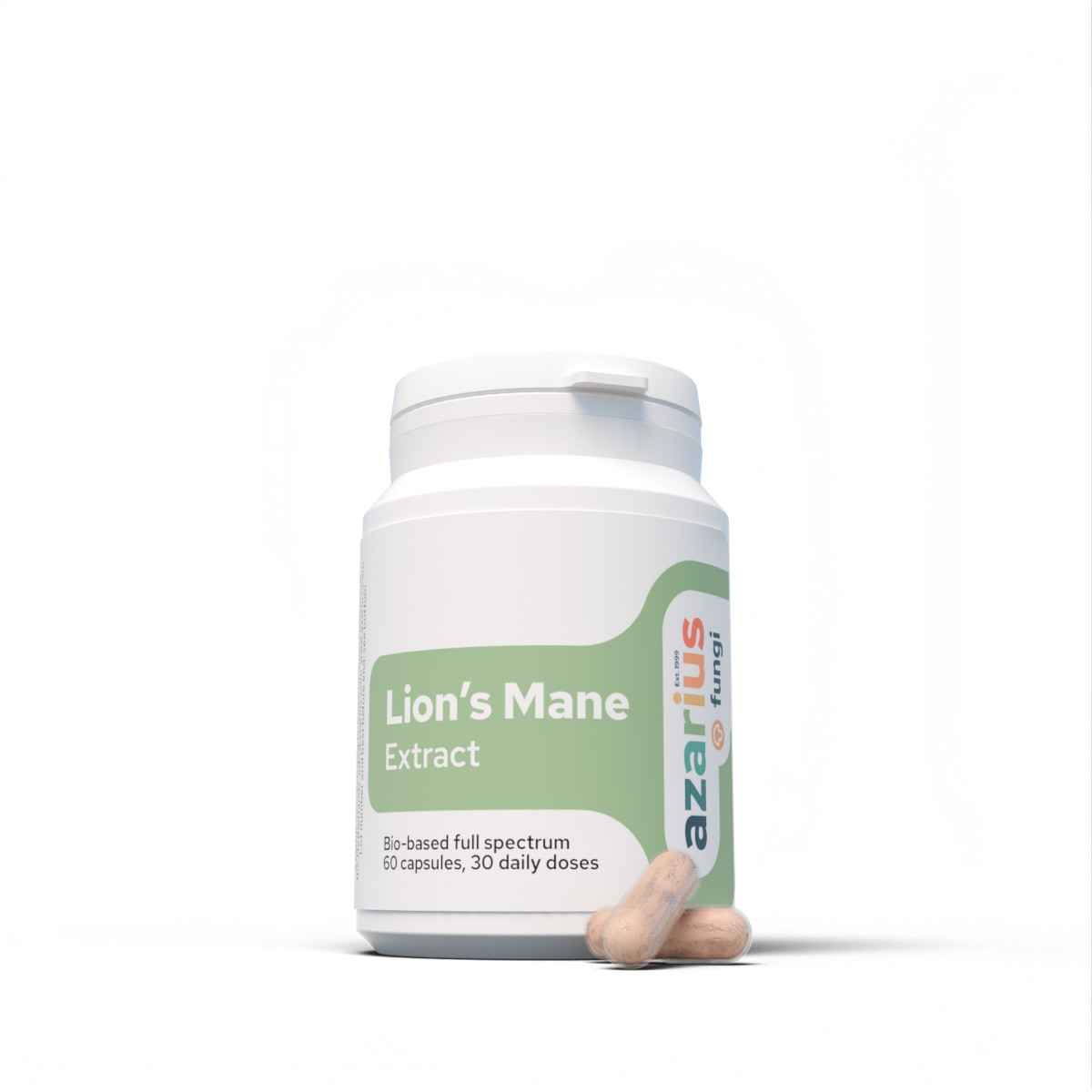
If you choose to explore functional mushrooms, start with COA-verified extracts from reputable producers and pay attention to how your body responds. And when in doubt, consult a professional, especially if you’re managing a health condition, taking medication, or navigating stress-sensitive periods of life.
References
- World Health Organization. Implementation of Self-Care Interventions for Health and Well-Being. World Health Organization; 2024. ↩︎
- Zhao S, Gao Q, Rong C, et al. Immunomodulatory Effects of Edible and Medicinal Mushrooms and Their Bioactive Immunoregulatory Products. Journal of Fungi. 2020;6(4):269. doi:https://doi.org/10.3390/jof6040269 ↩︎
- Saleh MH, Rashedi I, Keating A. Immunomodulatory Properties of Coriolus versicolor: The Role of Polysaccharopeptide. Frontiers in Immunology. 2017;8. doi:https://doi.org/10.3389/fimmu.2017.01087 ↩︎
- Dai X, Stanilka JM, Rowe CA, et al. Consuming Lentinula edodes (Shiitake) Mushrooms Daily Improves Human Immunity: A Randomized Dietary Intervention in Healthy Young Adults. Journal of the American College of Nutrition. 2015;34(6):478-487. doi:https://doi.org/10.1080/07315724.2014.950391 ↩︎
- Mori K, Inatomi S, Ouchi K, Azumi Y, Tuchida T. Improving effects of the mushroom Yamabushitake (Hericium erinaceus) on mild cognitive impairment: a double-blind placebo-controlled clinical trial. Phytotherapy Research. 2009;23(3):367-372. doi:https://doi.org/10.1002/ptr.2634 ↩︎
- Choi E, Oh J, Sung GH. Beneficial Effect of Cordyceps militaris on Exercise Performance via Promoting Cellular Energy Production. Mycobiology. 2020;48(6):512-517. doi:https://doi.org/10.1080/12298093.2020.1831135 ↩︎
- Tang W, Gao Y, Chen G, et al. A Randomized, Double-Blind and Placebo-Controlled Study of a Ganoderma lucidum Polysaccharide Extract in Neurasthenia. Journal of Medicinal Food. 2005;8(1):53-58. doi:https://doi.org/10.1089/jmf.2005.8.53 ↩︎
- National Cancer Institute. Medicinal Mushrooms (PDQ®)–Health Professional Version - National Cancer Institute. www.cancer.gov. Published November 30, 2016. https://www.cancer.gov/about-cancer/treatment/cam/hp/mushrooms-pdq ↩︎
- Surendran G, Saye J, Binti Mohd Jalil S, et al. Acute effects of a standardised extract of Hericium erinaceus (Lion’s Mane mushroom) on cognition and mood in healthy younger adults: a double-blind randomised placebo-controlled study. Frontiers in Nutrition. 2025;12. doi:https://doi.org/10.3389/fnut.2025.1405796 ↩︎
- Pallav K, Dowd SE, Villafuerte J, et al. Effects of polysaccharopeptide from Trametes Versicolor and amoxicillin on the gut microbiome of healthy volunteers. Gut Microbes. 2014;5(4):458-467. doi:https://doi.org/10.4161/gmic.29558 ↩︎
- Hirsch KR, Smith-Ryan AE, Roelofs EJ, Trexler ET, Mock MG. Cordyceps militaris improves tolerance to high-intensity exercise after acute and chronic supplementation. Journal of Dietary Supplements. 2016;14(1):42-53. doi:https://doi.org/10.1080/19390211.2016.1203386 ↩︎
- Reishi Mushroom | Memorial Sloan Kettering Cancer Center. www.mskcc.org. Published February 9, 2023. https://www.mskcc.org/cancer-care/integrative-medicine/herbs/reishi-mushroom ↩︎
- https://www.facebook.com/nhswebsite. Herbal medicines. nhs.uk. Published October 2017. https://www.nhs.uk/tests-and-treatments/herbal-medicines/ ↩︎
- Botanicals | EFSA. www.efsa.europa.eu. https://www.efsa.europa.eu/en/topics/topic/botanicals ↩︎